
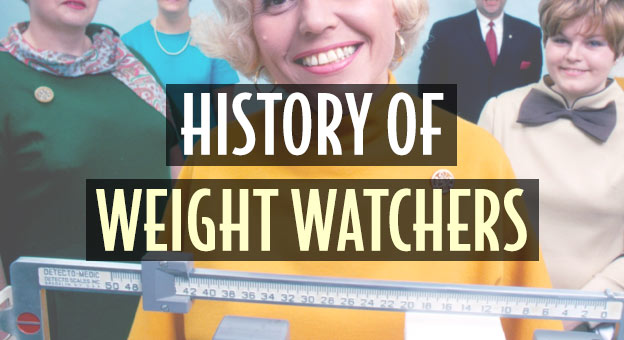
Long before Weight Watchers had an app, a Points system, or celebrity spokespeople, it began with a sassy woman in Queens who was tired of trying to lose weight alone.
Jean Nidetch was a Brooklyn-born housewife and mother who had struggled with her weight for much of her life. She tried fad diets, appetite suppressants, and just about every other quick fix available in mid-century America. Like most women, she could lose weight for a while, but keeping it off was another story.
Then, in 1961, an awkward encounter gave her the push she needed.
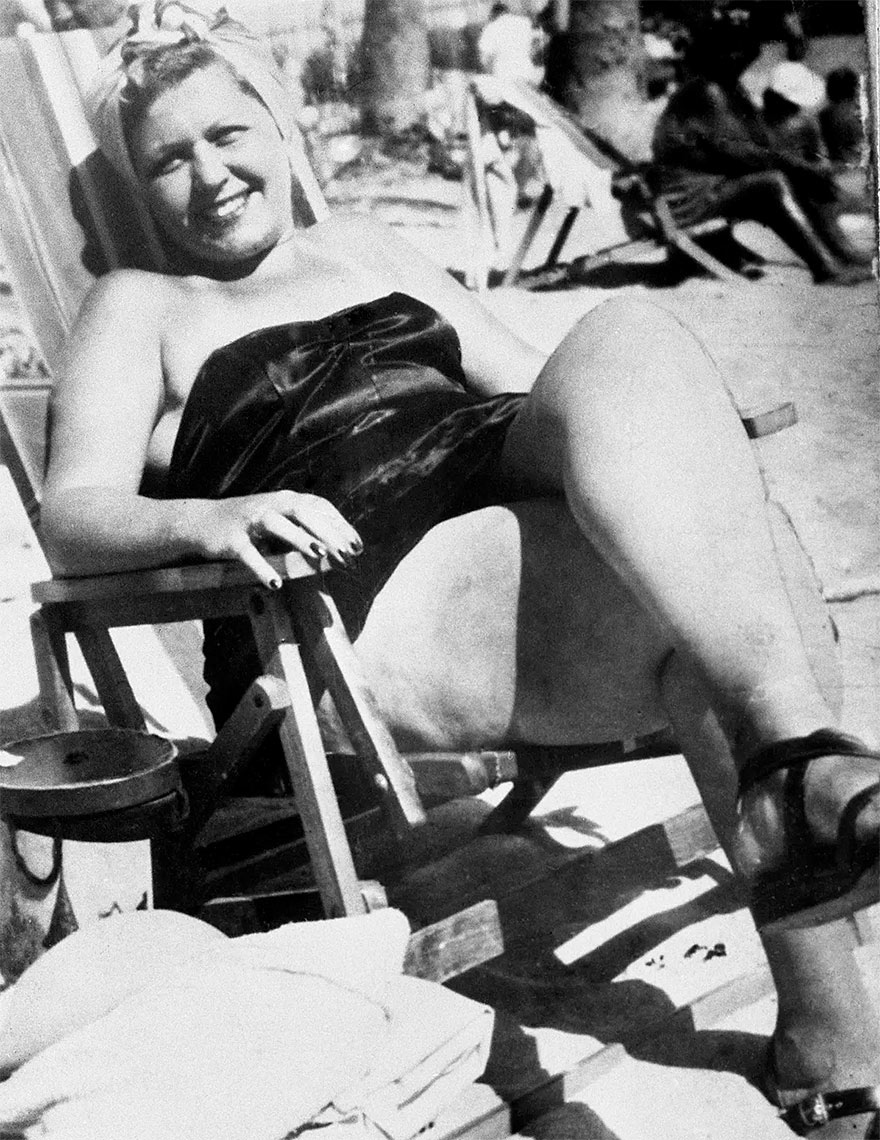
According to Nidetch’s often-told story, she ran into a neighbor who looked at her stomach and asked when she was expecting. Jean was not pregnant. (ouch!) It was the sort of comment that can ruin your day. Or, in this case, help launch an international business!

The Moment That Changed Jean Nidetch’s Life
At 37, Jean Nidetch weighed about 214 pounds. After the painful encounter with her neighbor, she searched for help and soon joined an obesity program run by the New York City Board of Health.
The program gave her a structured eating plan, but Jean soon realized that knowing what to eat was not the real problem. Like most women, she already knew that vegetables were healthy and cookies were not. What she needed was motivation, support, and accountability.
Unfortunately, no one was offering that, so she took matters into her own hands and began inviting friends to her Queens apartment to talk honestly about food, dieting, and the frustration of trying to lose weight. The first group reportedly included six women who shared tips, frustration, and encouragement to keep going.
The food plan mattered, but the support mattered even more.
Jean had discovered a simple idea that would become the heart of Weight Watchers: difficult habits are easier to change when people feel accountable and know they are not struggling alone.
The First Weight Watchers Meetings
The informal gatherings grew quickly as friends invited other friends, soon making Jean’s apartment far too small.
In May 1963, Nidetch and her business partners, Al and Felice Lippert, officially founded Weight Watchers. Jean rented a loft above a movie theater in Queens for the first public meeting and expected a modest crowd.
About 400 people showed up!
Hundreds climbed the stairs to hear a Queens housewife speak honestly about food, temptation, and the difficulty of sticking to a diet. Jean had clearly found an audience that the traditional weight-loss industry was failing to reach.
Weight Watchers was built around three simple ideas: a structured eating plan, regular weigh-ins, and group support.
Members met weekly to share progress, learn practical strategies, and receive encouragement from leaders who had often lost weight through the program themselves.
Weight Watchers Becomes a Business
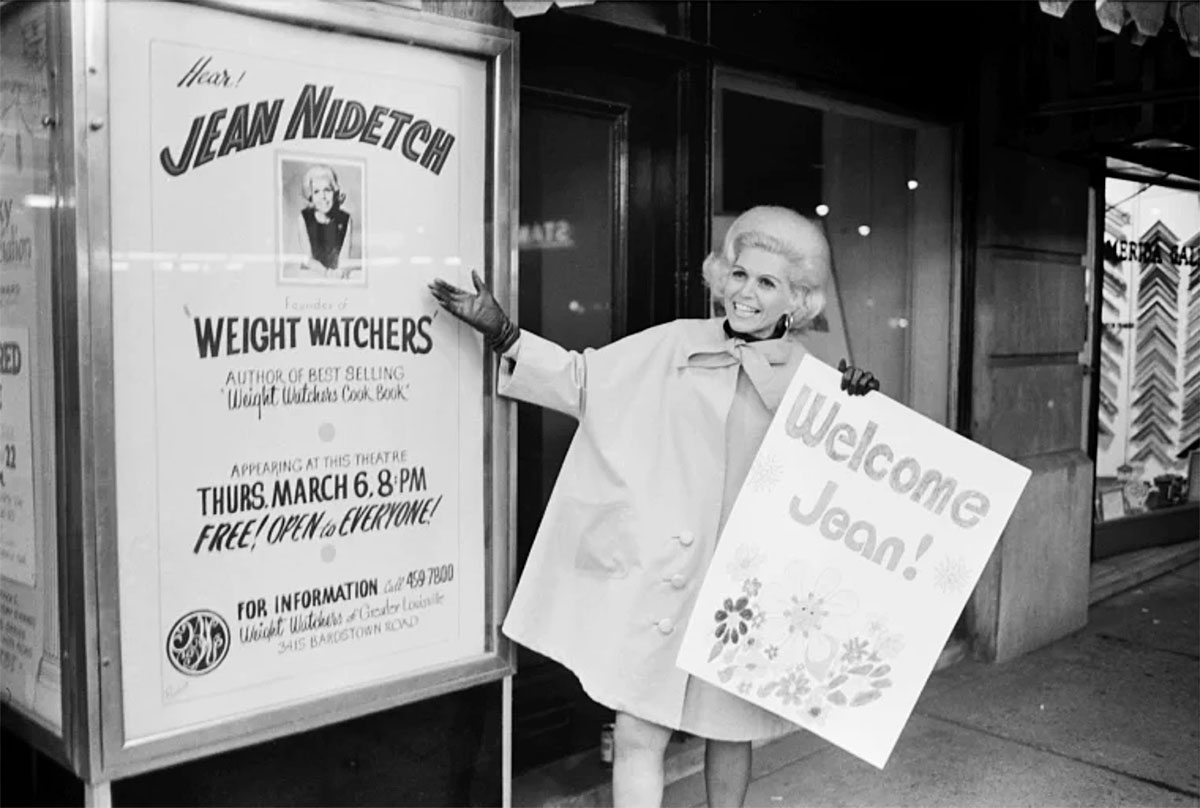
Word spread quickly, first across New York and then nationwide. Weight Watchers began selling franchises, allowing local operators to hold meetings under the company’s name and program.
Women from all walks of life, including teachers, nurses, and even college students, were joining the program.
By the late 1960s, it had expanded into countries including Canada, the United Kingdom, and Australia. Momentum continued, and in 1968, just five years after its founding, Weight Watchers became a public company.
The brand soon grew beyond weekly meetings, publishing cookbooks and magazines, and licensing prepared foods and other products for members to use at home.
This was not a moment, it was a movement, and Jean Nidetch was the charming and captivating face of it all as she appeared on television, spoke to large crowds, and traveled constantly to promote the program.
In 1973, Weight Watchers marked its 10th anniversary with a Madison Square Garden event attended by more than 10,000 people, with celebrity guests including Bob Hope. It was an extraordinary achievement for a business that had begun with six women in an apartment!
Jean Nidetch’s Own Transformation
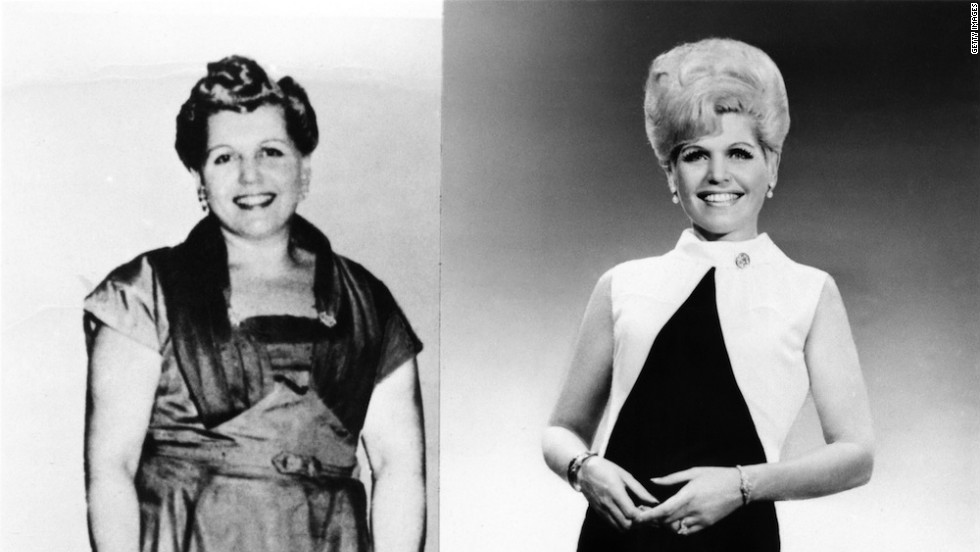
Jean was not a doctor or nutritional scientist. She appealed to women because she was relatable. She was funny, blunt, and honest about her own setbacks. Members did not see an expert lecturing them from across a desk. They saw someone who shared their struggle, and had experienced the same challenges and failures that they had.
Jean lost 72 pounds and kept much of it off for years, but her greater achievement was turning a private struggle into a public mission.
She recognized that overeating was often tied to stress, loneliness, and habit, not simply a lack of nutrition knowledge. Weight Watchers addressed those emotional realities at a time when many diets offered little more than a food list and a set of rules.
After Heinz acquired Weight Watchers in 1978, Jean remained an ambassador and consultant. She retired from daily involvement in 1984 but stayed closely associated with the brand.
The Points System Changes Weight Watchers
For decades, Weight Watchers relied on structured meal plans and food exchanges, with rules for portions, preparation, and daily servings.
That changed in the late 1990s with the introduction of the Points system. Foods received numerical values, and members were given a daily Points budget instead of a rigid menu.
The system offered more flexibility. Almost any food could fit, although a slice of cake required a bit more planning than a salad.
Weight Watchers revised the formula over time through programs such as PointsPlus, SmartPoints, Freestyle, and PersonalPoints. (Confusing?) The details changed, but the appeal remained simple: turn complicated food choices into one manageable number.
Oprah Winfrey Gives Weight Watchers New Energy

Weight Watchers went through several changes in ownership after the Heinz era and returned to the public stock market in 2001.
One of the biggest moments in Weight Watchers’ history came in 2015, when Oprah Winfrey purchased a 10% stake for approximately $43 million and joined the company’s board.
Oprah had spoken publicly about her weight for decades, making her an unusually believable spokesperson. She was not simply a celebrity holding a plate of vegetables in an advertisement. Millions of viewers had watched her lose weight, regain it, and discuss the experience with painful honesty.
News of her investment sent Weight Watchers shares sharply higher and brought renewed attention to the aging brand.
From Weight Watchers to WW
In September 2018, Weight Watchers announced that it would begin using the shorter name “WW.” (But, it has more syllables!) The company wanted to be seen as a broader wellness brand rather than simply a traditional diet program.
Weight Watchers’ new message emphasized healthy habits, fitness, mindset, and overall well-being instead of just weight loss. Meetings became “Wellness Workshops,” and the company invested more heavily in its website, digital membership, and mobile app.
It was a risky bet, but Weight Watchers was trying to adapt to a changing world where the word “diet” had negative connotations. Unfortunately, “WW” never rolled off the tongue quite as naturally as “Weight Watchers.” In fact, most members continued to use the original name, and there was confusion as to what the company’s official name even was. Membership flagged, and the company desperately brought the old name back into its branding, but the damage was already done.
The rebrand also could not completely solve a larger problem: the habits of dieters were changing. Free calorie-tracking apps, online communities, and digital wellness programs offered many of the tools that once made a Weight Watchers membership distinctive.
Weight Watchers’ stock would dive to an all-time low after Oprah sold stock and left the company’s board in 2015
WeightWatchers Enters the GLP-1 Era
The arrival of medications such as Wegovy and Zepbound changed the weight-loss business even more dramatically.
For decades, Weight Watchers had emphasized behavior, food choices, and accountability. GLP-1 medications treated obesity more directly as a chronic medical condition and produced levels of fast weight loss that traditional lifestyle programs could not match.
WeightWatchers decided that it could either resist that change or once again scramble to reinvent and rebrand itself.
In 2023, WeightWatchers acquired telehealth platform Sequence for $132 million and later rebranded it as WeightWatchers Clinic. The service connects eligible members with clinicians for prescription weight-loss treatment, nutrition guidance, and behavioral support.
The move represented one of the biggest strategic shifts in the company’s history. Weight Watchers was no longer just a commercial diet program. It was trying to rebrand as a digital healthcare and medical weight-management provider. But, would the public be receptive to yet another change?
Bankruptcy and a New Beginning
The move into medical weight loss came at a difficult moment for WeightWatchers. Membership was declining, debt had piled up, and GLP-1 medications were rapidly reshaping an industry the company had helped define.
By May 2025, WeightWatchers needed more than another program or point system update. It entered a prepackaged Chapter 11 restructuring aimed at wiping away about $1.15 billion in debt and giving the business a more manageable financial foundation.
The word “bankruptcy” naturally made headlines, but WeightWatchers was not closing its doors. Members could still use the app, attend workshops, and access clinical services while the company reorganized behind the scenes.
WeightWatchers completed the process and emerged from Chapter 11 later that year. With much of its debt removed, the company was free to focus on its next chapter: combining the group support and behavior-change tools that made it famous with modern clinical care and prescription weight-loss treatment.
Weight Watchers History Timeline
- 1961: Jean Nidetch joins a New York City obesity program and begins gathering friends in her Queens apartment.
- 1963: Nidetch, Al Lippert, and Felice Lippert officially establish Weight Watchers.
- 1968: Weight Watchers becomes a publicly traded company.
- 1973: The company celebrates its 10th anniversary at Madison Square Garden before a crowd of more than 10,000.
- 1978: The H.J. Heinz Company acquires Weight Watchers.
- 1984: Jean Nidetch retires from active involvement with the company.
- 1997–1998: Weight Watchers introduces its original Points system.
- 1999: Heinz sells the company to Artal Luxembourg.
- 2001: Weight Watchers returns to the public stock market.
- 2015: Oprah Winfrey buys a 10% stake and joins the board.
- 2018: Weight Watchers rebrands as WW and broadens its message to overall wellness.
- 2023: The company acquires Sequence and expands into telehealth and prescription weight management.
- 2024: Sequence is integrated into the brand as WeightWatchers Clinic, while Oprah Winfrey leaves the board.
- 2025: WeightWatchers completes a Chapter 11 financial restructuring that removes approximately $1.15 billion in debt.
Today: WeightWatchers combines its familiar Points program, digital tracking, coaching, and workshops with clinical weight-management services and medication support.
Weight Watchers and Jean Nidetch’s Lasting Legacy
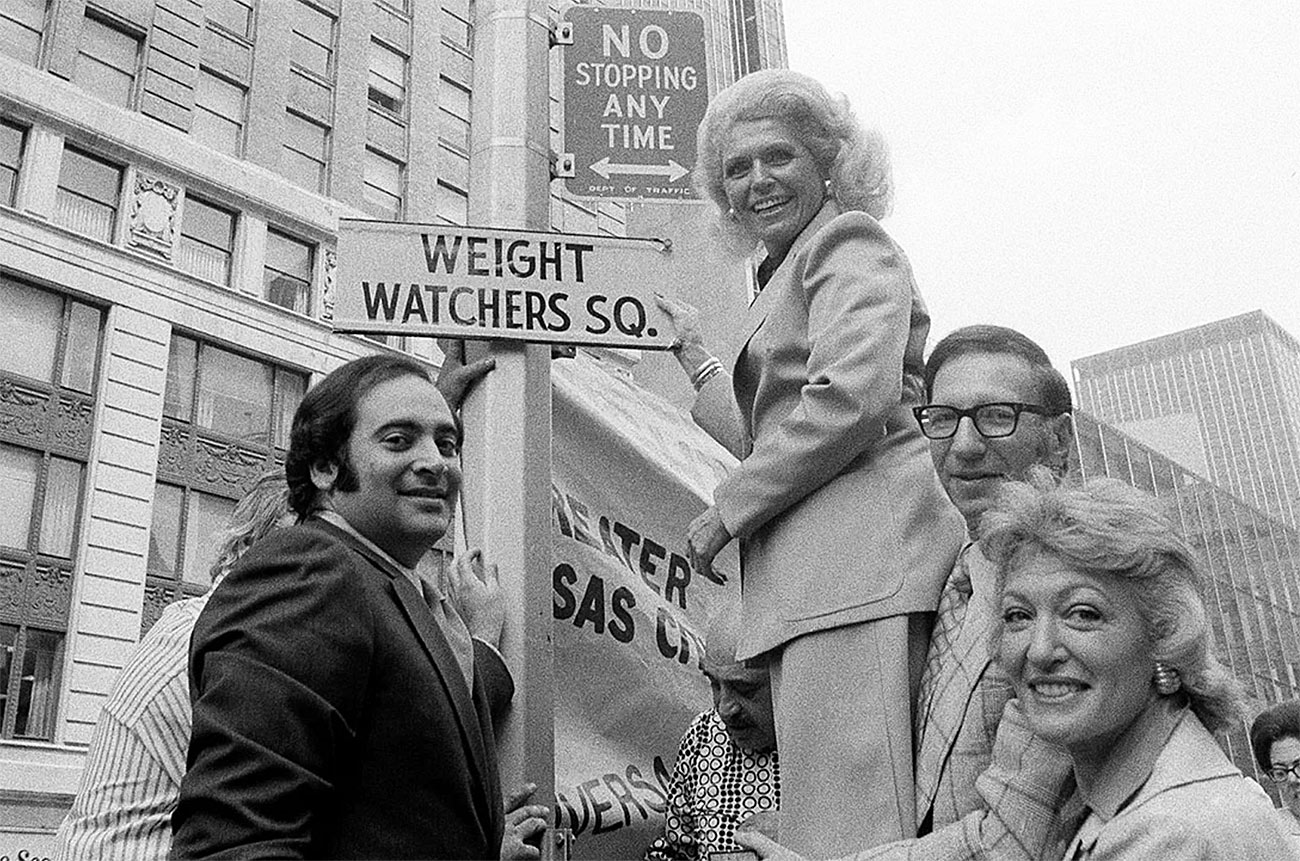
Weight Watchers has changed dramatically since Jean Nidetch invited six friends into her apartment.
Paper food plans became Points, weekly weigh-ins moved into an app, and meeting leaders were joined by online coaches, digital communities, and clinicians. The company’s approach also evolved from traditional dieting to a broader mix of behavioral support and medical treatment.
Still, Jean’s original insight remains at the heart of the program: changing how people eat is difficult because food is tied to habit, comfort, celebration, and emotion.
Her real innovation was not a miracle diet. It was creating a place where people could admit that change was hard, find support, and keep trying together.
More than six decades later, that remains the most important part of the Weight Watchers story.
Weight Watchers History FAQs
Jean Nidetch founded Weight Watchers in New York with Al and Felice Lippert. Nidetch had previously organized informal weight-loss meetings for friends in her house.
Weight Watchers was officially founded in May 1963 in Queens, New York. Its first official public meeting attracted more than 400 people.
Jean Nidetch started Weight Watchers because she believed people were more likely to lose weight with encouragement, accountability, and group support than by dieting alone.
Weight Watchers introduced its Points system in 1998. It simplified food tracking by assigning foods numerical values based on their nutritional content.
Weight Watchers rebranded as WW in September 2018 to emphasize overall health and wellness rather than weight loss alone. Its legal name became WW International in 2019.
Oprah Winfrey purchased a 10% stake in Weight Watchers and joined its board in 2015. Her investment and endorsement helped renew public interest in the company.
Weight Watchers updates its plans and Points system over time, while keeping tracking, flexibility, and member support at its core.
Thanks for visiting PrettySweet.com!