
Modern pickup trucks are more powerful, comfortable, and packed with more technology than ever before. Fuel economy has certainly improved since the truly brutal MPG numbers of the 1980s, but even today’s newest trucks can still burn through a surprising amount of gasoline, especially when equipped with a larger engine, four-wheel drive, chunky (but cool!) off-road tires, or heavy-duty towing gear.
So, which 2026 pickup trucks have the worst gas mileage? To find out, we compared official EPA combined city and highway fuel-economy estimates (from fueleconomy.gov) for gasoline-powered pickups sold through mainstream dealerships.
Here’s our ranking of 11 everyday pickup trucks with the worst fuel efficiency in 2026 listed with their combined miles-per-gallon.
Thought: Why are pickup trucks so bad for the environment, yet named after and photographed in places of natural beauty and pristine wilderness?
1. 2026 Ford F-150 Raptor 4WD: 15 MPG (Combined)

Configuration: 3.5-liter twin-turbocharged V6, 10-speed automatic, four-wheel drive
EPA fuel economy: 14 MPG city / 18 MPG highway / 15 MPG combined
I almost didn’t include the F-150 Raptor on this list because it’s not a standard trim level. However, I see them frequently on the road, so even with an MSRP starting around $81k, it’s premium but not an obscure or exotic truck by any means.
Anyway, the Ford F-150 Raptor is built for high-speed off-road performance rather than efficiency. With its wide stance, long-travel suspension, aggressive all-terrain tires, and powerful twin-turbocharged V6, it is one of the most capable factory-built off-road trucks available.
Oh, and the V8-powered Rapton-R gets even worse gas mileage, coming in at a Greenland-melting 10 mpg city and 15 highway! (source)
The Raptor’s heavy weight, lifted ride height, and off-road-focused design result in extremely poor fuel economy, making it one of the worst offenders on this list. Simply put, the gas mileage is bad, really bad, and owners should expect frequent and expensive trips to the gas station if they plan to drive it regularly.
Thought: Some zoos will take monthly donations to sponsor an animal. Ford should include a certificate for your sponsorship of a Saudi Prince when you buy one of these trucks! 😆
2. 2026 GMC Sierra 1500 4WD: 16 MPG(Combined)
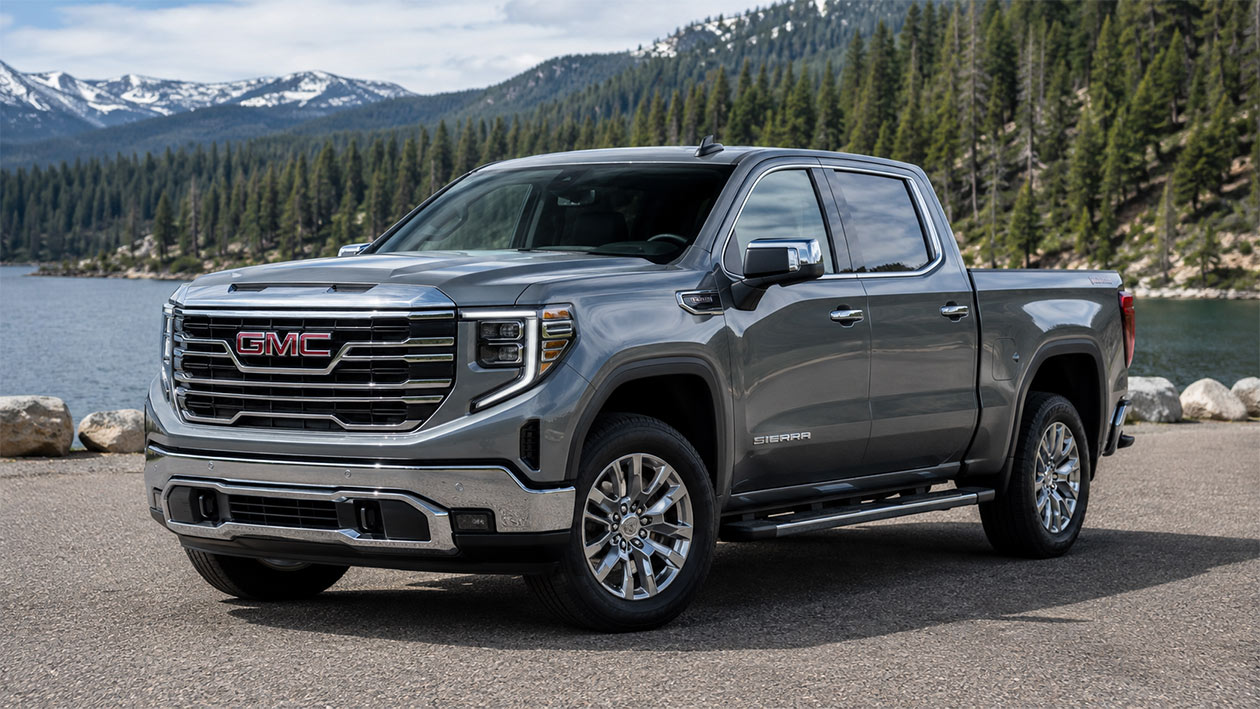
Configuration: 6.2-liter V8, 10-speed automatic, four-wheel drive
EPA fuel economy: 15 MPG city / 19 MPG highway / 16 MPG combined
The GMC Sierra 1500 combines traditional pickup capability with a slightly more upscale personality than its Chevrolet Silverado sibling. Buyers can equip it as anything from a relatively straightforward work truck to a luxurious Denali with leather upholstery, large digital displays, and an increasingly premium price.
The least fuel-efficient Sierra configuration uses the 6.2-liter V8 and four-wheel drive, producing an EPA rating of only 16 MPG combined! That large V8 supplies strong acceleration and substantial towing power, but it also makes the Sierra one of the worst gas mileage pickup trucks for 2026. More economical four-cylinder and diesel configurations are available, although neither delivers quite the same old-school V8 experience.
Well, you can’t exactly tow a 2-ton boat with a RAV4, but jeez, that’s some bad gas mileage!
Thought: Burning one gallon of gasoline creates nearly 20 pounds of carbon dioxide! How? Even though the gasoline itself weighs only about 6 pounds per gallon, the extra weight comes from oxygen in the air combining with the carbon in the fuel as it burns. (source) 🤔
3. 2026 Chevrolet Silverado 1500 4WD: 17 MPG
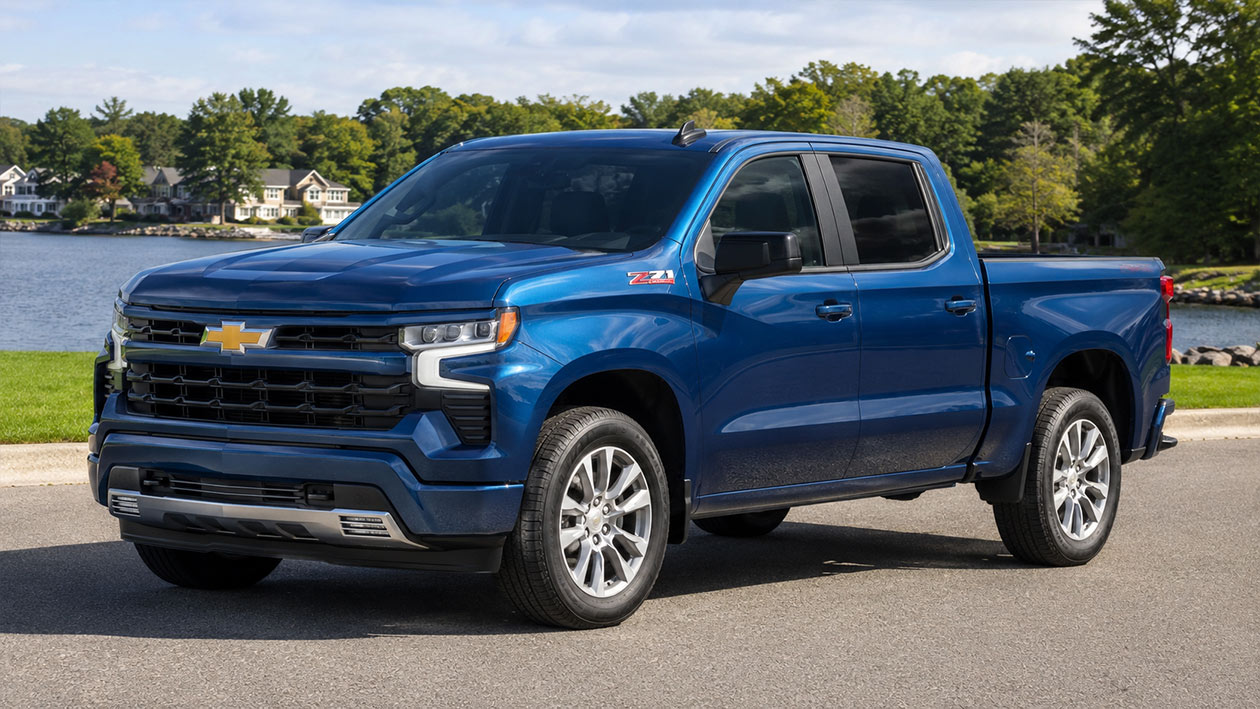
Configuration: 5.3-liter or 6.2-liter V8, 10-speed automatic, four-wheel drive
EPA fuel economy: As low as 15 MPG city / 19 MPG highway / 17 MPG combined
The Chevrolet Silverado 1500 has long been one of America’s favorite full-size pickups. Buyers can choose from a range of configurations, from no-frills two-door work trucks to roomy crew cabs and high-end luxury trims that feel more like upscale SUVs.
That versatility comes with a tradeoff, though. Four-wheel-drive Silverados equipped with Chevrolet’s traditional V8 engines can return just 17 MPG combined. For owners who regularly tow, haul, or use the truck for demanding jobs, that extra capability may be worth it. However, drivers who mostly use their fuel inefficient Silverado for commuting and errands could end up paying at the pump for strength they rarely need.
4. 2026 Dodge Ram 1500 4WD: 18 MPG
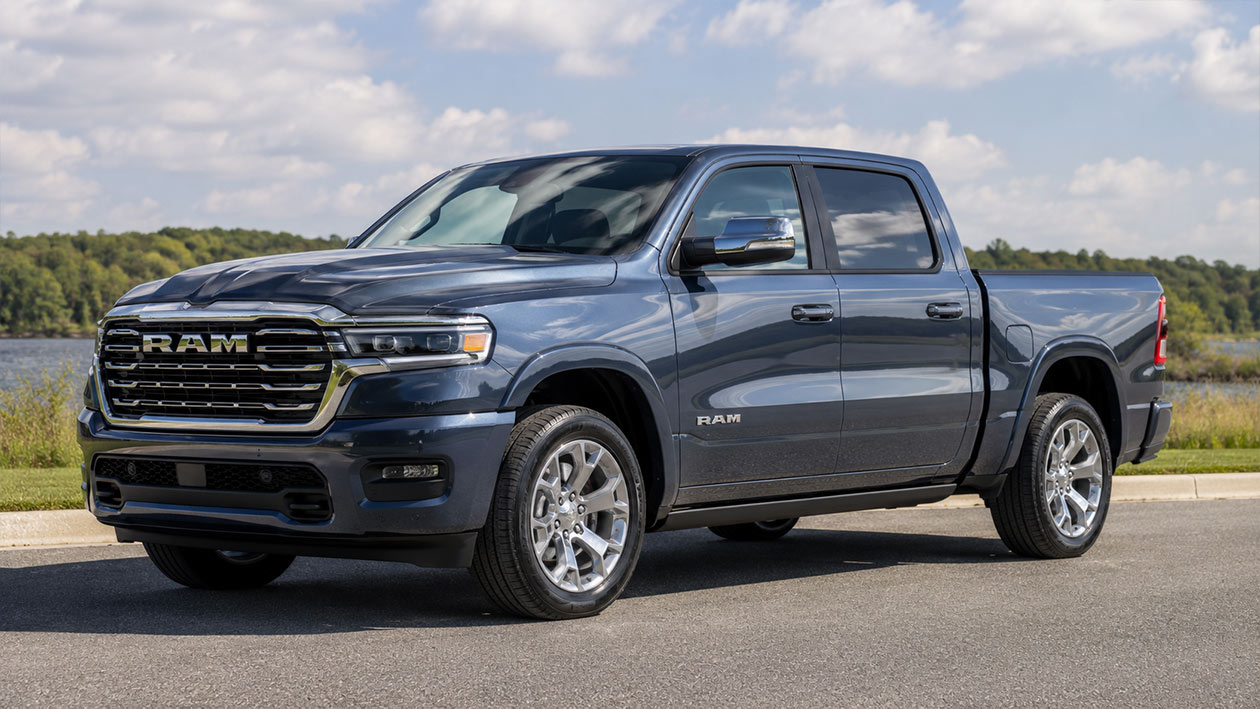
Configuration: 5.7-liter V8 mild hybrid, eight-speed automatic, four-wheel drive
EPA fuel economy: 16 MPG city / 20 MPG highway / 18 MPG combined
If the uber-patriotic Dodge Ram commercials don’t bother you, then maybe the poor gas mileage will?
Liberty is loud, baby!…
Honestly, after watching like 3 consecutive Dodge Ram commercials, I just want to put on a cowboy hat and drive one into a crowd of terrorists. Then, maybe hop out of my Ram and drop a flying armbar on one of the survivors. USA, USA!
Anyway, the Dodge Ram 1500 has built a loyal fan base, and has recently turned up the volume on patriotism for the second Trump presidency. The Ram rides smoother than many full-size pickups, and the cabin feels surprisingly comfortable and upscale, especially in the higher trims, where it can start to feel more like a luxury SUV than a work truck.
The popular 5.7-liter Hemi V8 is back with mild-hybrid assistance, bringing the strong acceleration, satisfying rumble, and towing power Ram owners expect. The downside, of course, is fuel economy.
Thought: Does buying a “patriotic” pickup truck that only gets 18 mpg make us more dependent on those oil-producing countries that wish death to America! 🤔
5. 2026 Chevrolet Colorado 4WD: 19 MPG
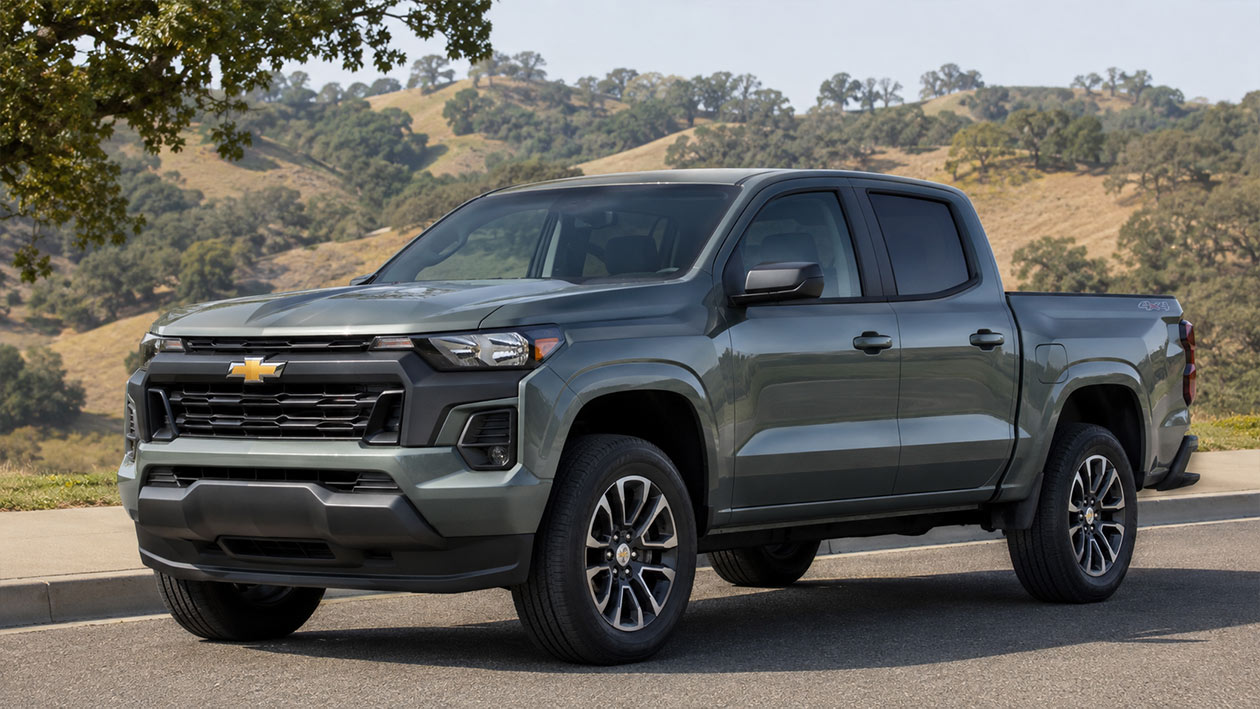
Configuration: 2.7-liter turbocharged four-cylinder, eight-speed automatic, four-wheel drive
EPA fuel economy: 17 MPG city / 22 MPG highway / 19 MPG combined
The Chevrolet Colorado is considerably smaller than a Silverado, making it easier to maneuver, park, and use as everyday transportation. It still offers useful towing capacity, a practical cargo bed, and enough off-road capability for camping trips or unpaved job sites.
A standard four-wheel-drive Colorado is rated at 19 MPG combined. That may sound reasonable beside a large V8 truck, but it is not impressive gas mileage for a midsize pickup powered by a four-cylinder engine. The turbocharged engine produces strong torque, yet the Colorado’s rugged construction and upright shape prevent it from delivering car-like fuel efficiency.
6. 2026 Ford F-150 4WD: 19 MPG
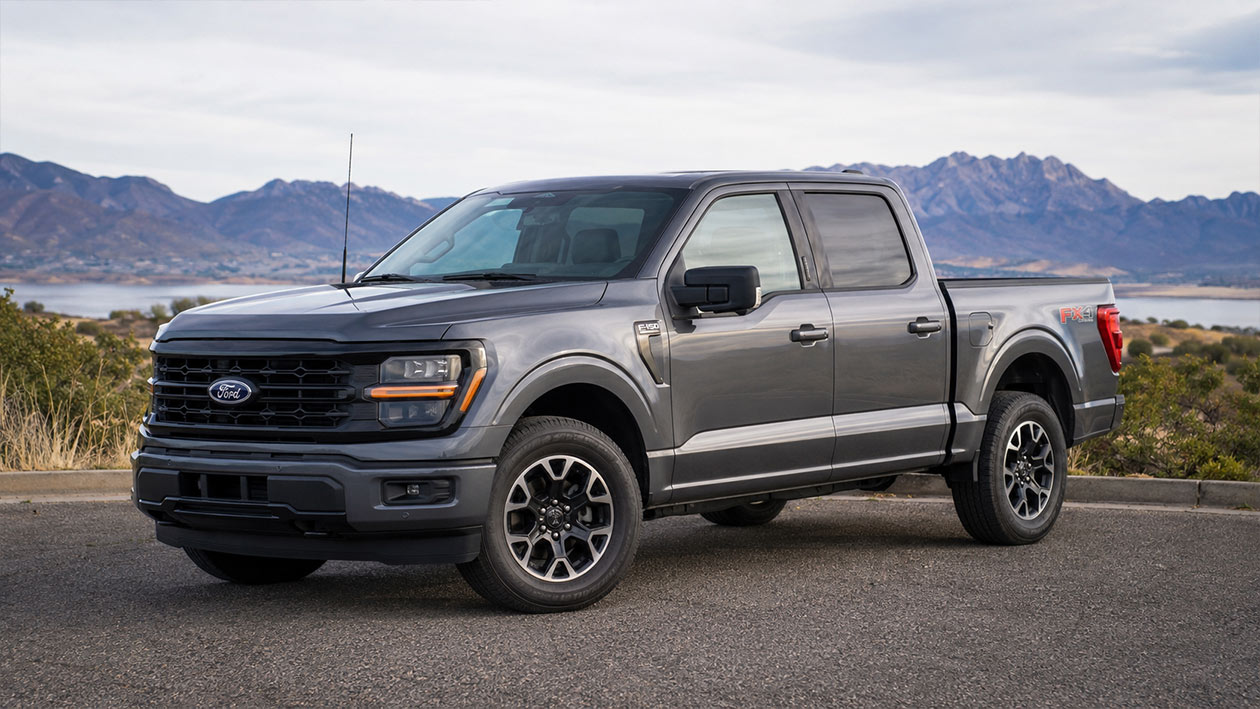
Configuration: 5.0-liter V8, 10-speed automatic, four-wheel drive
EPA fuel economy: 16 MPG city / 24 MPG highway / 19 MPG combined
The Ford F-150 remains the benchmark against which nearly every other full-size pickup is measured. Its enormous lineup includes work-oriented models, comfortable family trucks, hybrids, off-road trims, and highly equipped luxury versions.
The conventional 5.0-liter V8 with four-wheel drive earns a 19 MPG combined rating. That is a substantial improvement over the single-digit and low-teen MPG ratings of some older F-150s, but it is still a reminder that traditional V8 power comes at a cost. Buyers prioritizing efficiency can choose Ford’s hybrid powertrain, which receives a noticeably better rating.
Did you know? A 1985 Ford F-150 4WD with the 5.8-liter V8 was rated at a jaw-dropping 10 MPG combined, which is the worst gas mileage ever for an F-150. MPG? More like OMG, haha!
7. 2026 Toyota Tundra 4WD: 19 MPG
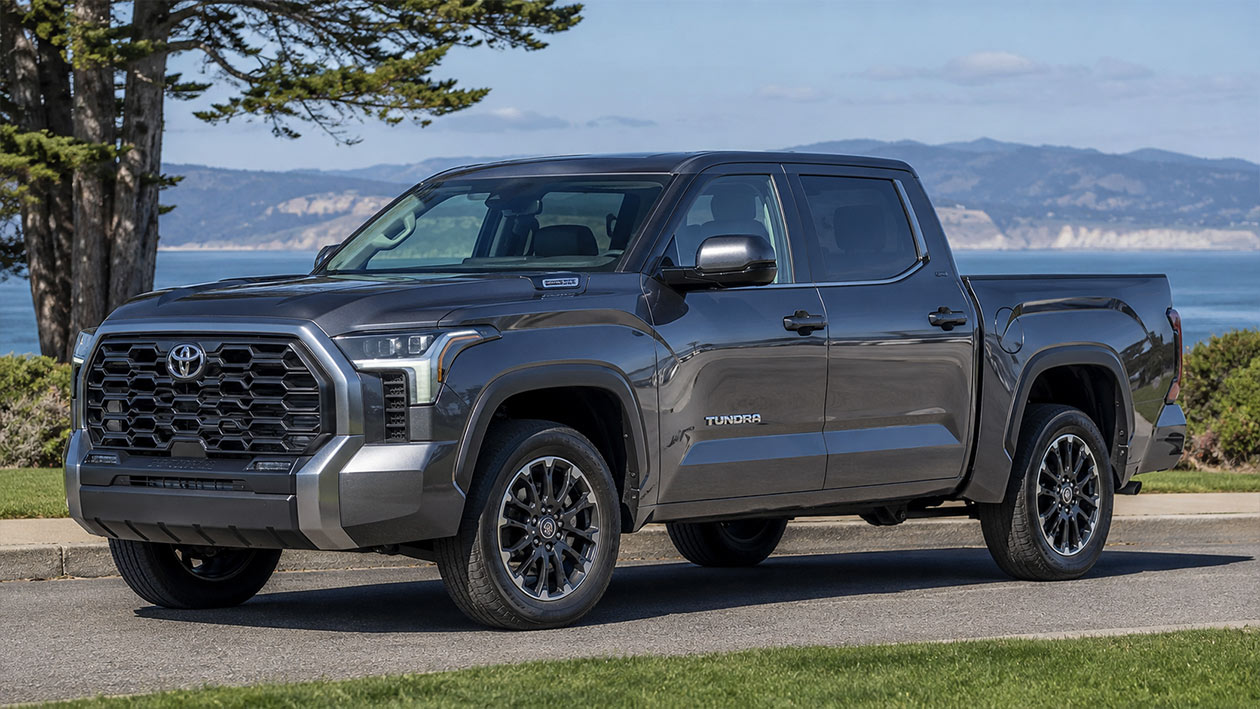
Configuration: 3.4-liter twin-turbocharged V6, 10-speed automatic, four-wheel drive
EPA fuel economy: 17 MPG city / 22 MPG highway / 19 MPG combined
Toyota replaced the Tundra’s longtime V8 with a smaller twin-turbocharged V6, giving the latest generation more torque and a thoroughly modern powertrain. The truck also offers a much more refined cabin and a stronger selection of technology than its predecessor.
Even with two fewer cylinders, the standard four-wheel-drive Tundra is rated at only 19 MPG combined. Turbocharging helps the engine produce serious power, but it can’t compensate for the fuel demands of a large, heavy full-size pickup.
*Related: Ugliest Cars of the 1970s
8. 2026 GMC Canyon 4WD: 19 MPG
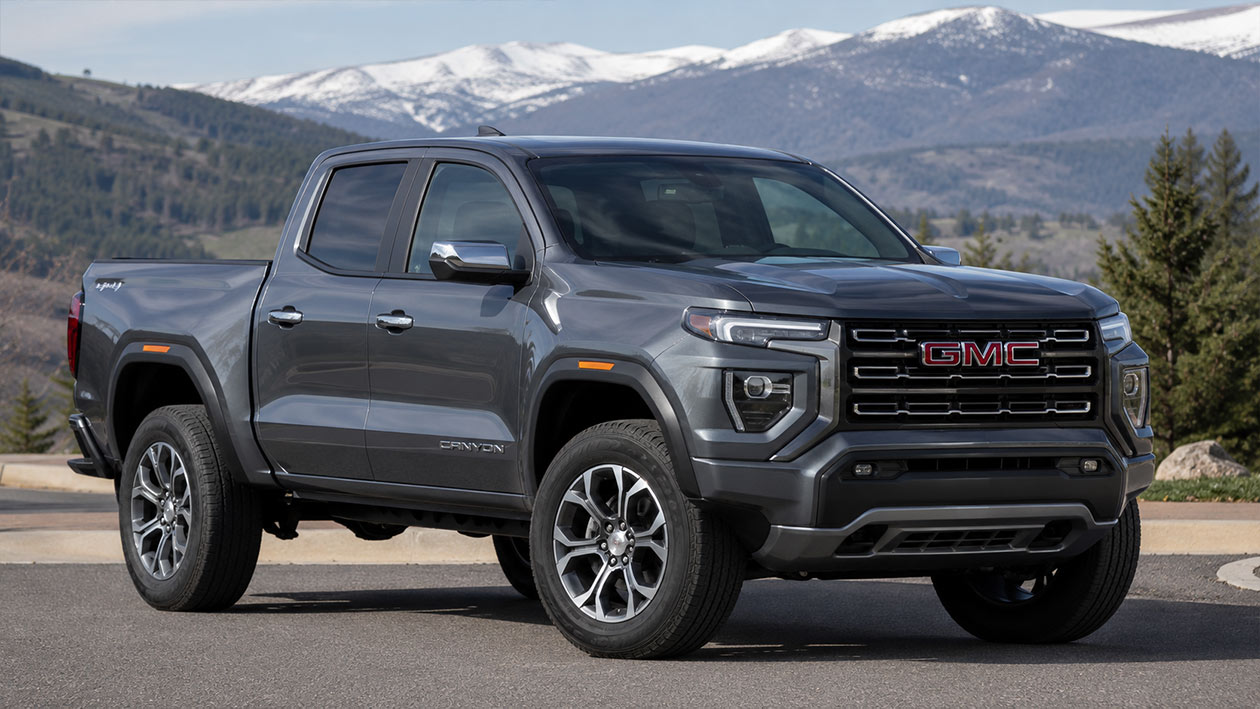
Configuration: 2.7-liter turbocharged four-cylinder, eight-speed automatic, four-wheel drive
EPA fuel economy: 17 MPG city / 22 MPG highway / 19 MPG combined
The GMC Canyon shares much of its engineering with the Chevrolet Colorado but presents it in a more polished, upscale package. It offers a comfortable cabin, strong turbocharged performance, and the relatively smaller dimensions that make midsize trucks appealing to everyday drivers.
Its regular four-wheel-drive configuration is rated at only 19 MPG combined. Like the Colorado, the Canyon produces impressive power from a relatively small engine, but its truck-based frame, ground clearance, and four-wheel-drive system make it pretty fuel inefficient for a four-cylinder pickup.
9. 2026 Nissan Frontier 4WD: 19 MPG
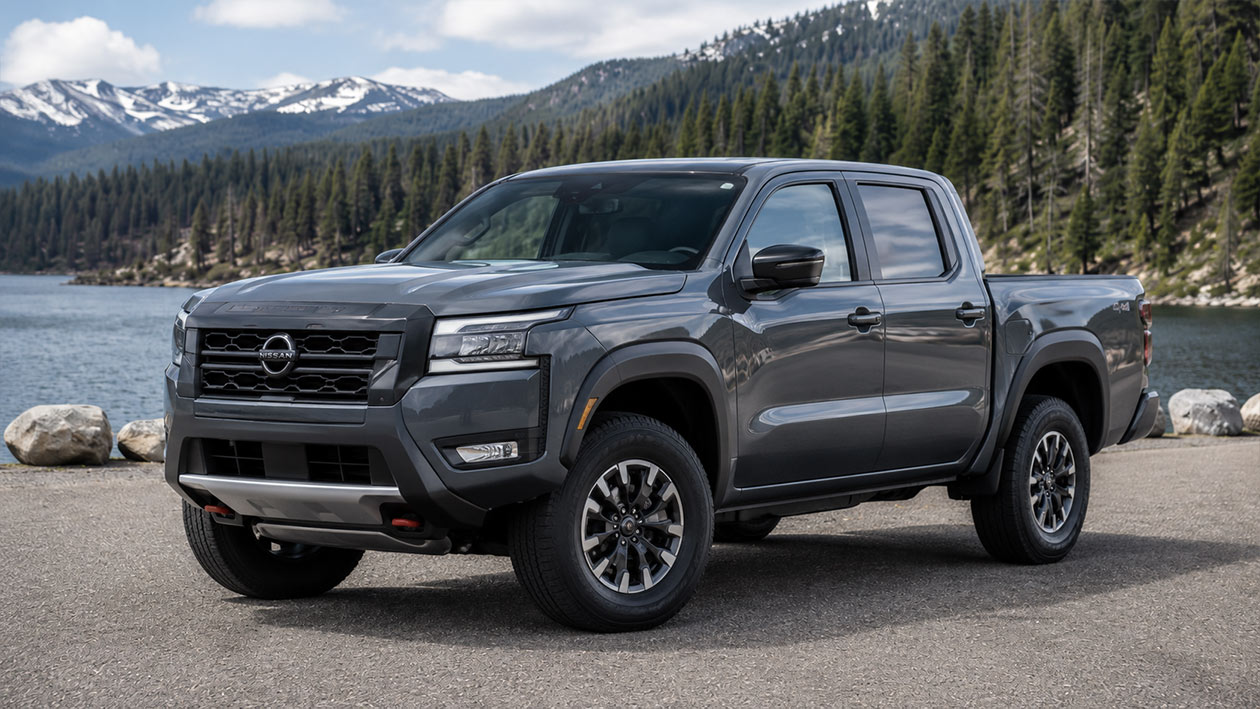
Configuration: 3.8-liter V6, nine-speed automatic, four-wheel drive
EPA fuel economy: 17 MPG city / 21 MPG highway / 19 MPG combined
The Nissan Frontier follows a refreshingly straightforward formula. It uses a naturally aspirated V6 rather than a small turbocharged engine, and its conventional size and styling make it feel like a traditional midsize pickup.
The four-wheel-drive Frontier receives an EPA estimate of 19 MPG combined. Its V6 is smooth, familiar, and good for towing or hauling, but it is less fuel efficient than the smaller turbocharged engines appearing in many competitors. For buyers who prefer traditional V6 power, the mediocre gas mileage might be an acceptable tradeoff.
10. 2026 Jeep Gladiator 4WD: 19 MPG
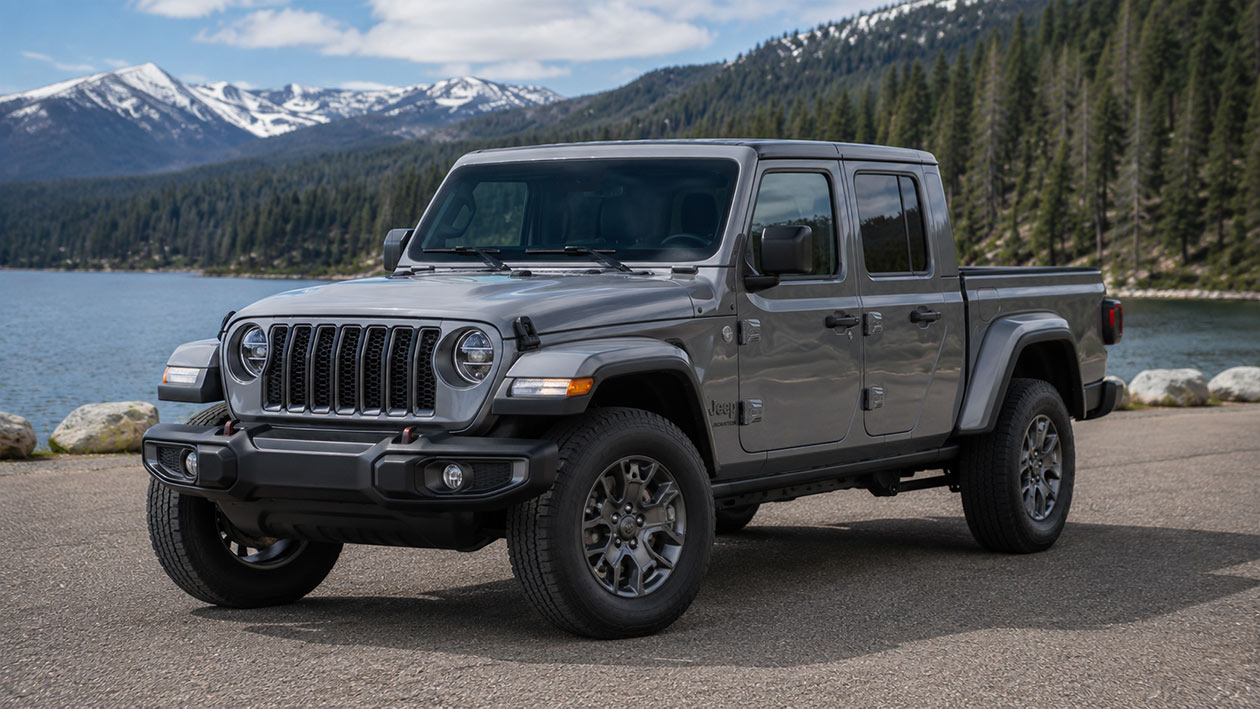
Configuration: 3.6-liter V6, eight-speed automatic, four-wheel drive
EPA fuel economy: 17 MPG city / 22 MPG highway / 19 MPG combined
I never really understood the “Jeep pickup truck” idea. It always reminded my of that scene in Moana when Maui has a human’s body and a shark’s head!

Anyway, the Jeep Gladiator is basically a Wrangler with a pickup bed, combining removable doors, an available folding windshield, and off-road hardware with the usefulness of a midsize truck. To its credit, few other pickups offer the same open-air experience.
As you can imagine, those unique qualities don’t create an aerodynamic vehicle! Its upright windshield, boxy body, and heavy four-wheel-drive components contribute to a 19 MPG combined rating. The Gladiator may be one of the most entertaining trucks on the list, but gas mileage was clearly an afterthought in its design.
11. 2026 Toyota Tacoma 4WD: 20 MPG
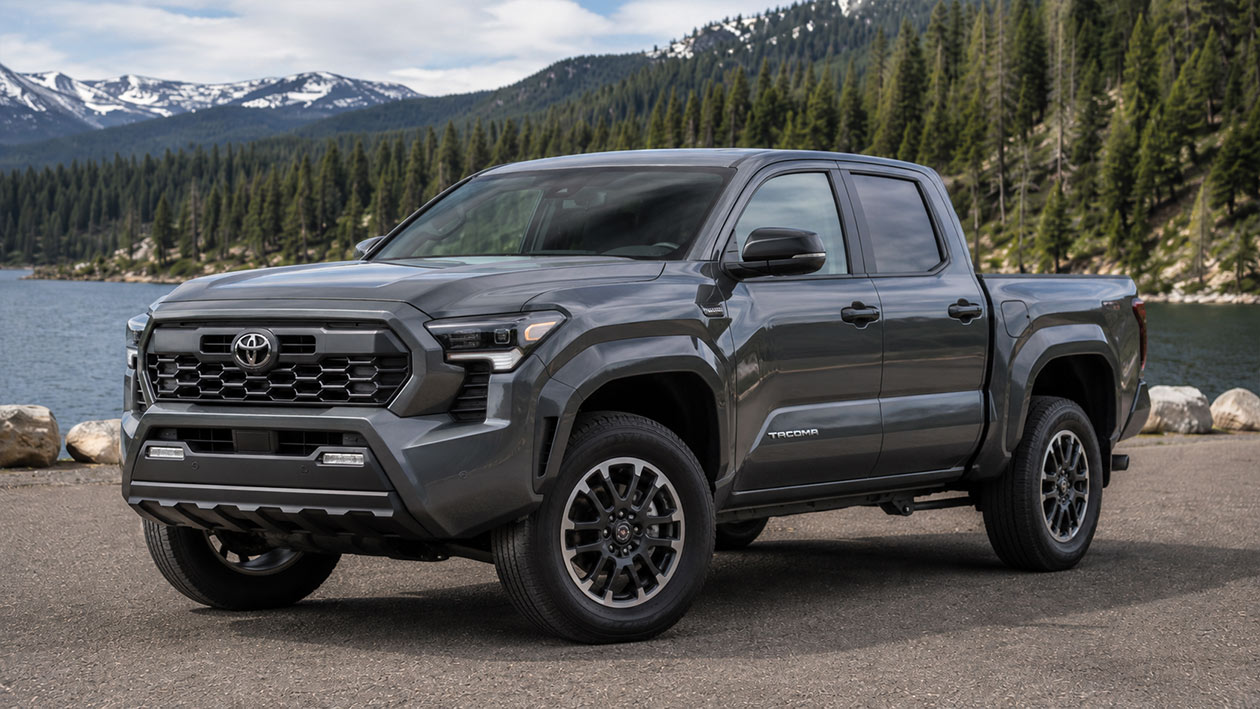
Configuration: 2.4-liter turbocharged four-cylinder, six-speed manual, four-wheel drive
EPA fuel economy: 18 MPG city / 23 MPG highway / 20 MPG combined
The Toyota Tacoma has long been a favorite among buyers who want a durable midsize truck with strong resale value and genuine off-road ability. The current generation added modern turbocharged engines, improved cabin technology, and a much-needed update to its driving position.
The six-speed manual four-wheel-drive version is rated at a mediocre 20 MPG combined. That is respectable compared with older Tacomas, but it is still fairly low for a modern four-cylinder pickup truck. Buyers often choose the Tacoma for longevity, utility, and resale value rather than fuel efficiency!
11. (Tie) 2026 Ford Ranger 4WD: 20 MPG
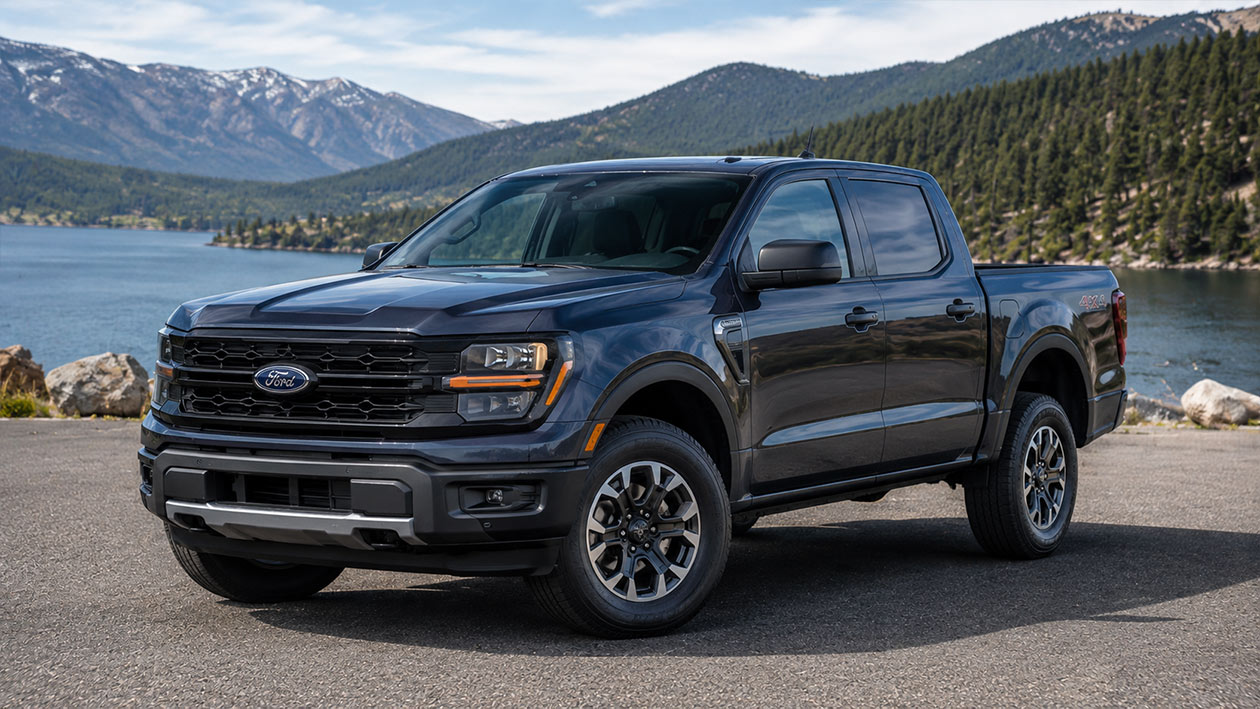
Configuration: 2.7-liter turbocharged V6, 10-speed automatic, four-wheel drive
EPA fuel economy: 18 MPG city / 23 MPG highway / 20 MPG combined
The Ford Ranger sits below the F-150 in size but offers enough room, towing ability, and cargo capacity for many buyers who do not need a full-size truck. Its optional 2.7-liter turbocharged V6 gives it considerably more muscle than the standard four-cylinder engine.
With that V6 and four-wheel drive, the Ranger returns a “meh” 20 MPG combined. It provides strong acceleration and useful towing power in a relatively manageable package, but selecting the larger engine eliminates much of the fuel efficiency that buyers may expect from a midsize pickup.
Which 2026 Pickup Truck Has the Worst Gas Mileage?
Among the regular gasoline-powered trucks in this comparison, the 2026 GMC Sierra 1500 4WD with the 6.2-liter V8 has the worst gas mileage, earning an EPA estimate of just 16 MPG combined.
The Chevrolet Silverado 1500 follows at 17 MPG combined, while the Ram 1500 earns 18 MPG combined in its least efficient ordinary gasoline configuration.
Highly specialized performance and off-road pickups can receive even lower fuel-economy ratings, but they were excluded because this ranking focuses on everyday trucks commonly purchased through mainstream dealerships.
Why Do Pickup Trucks Get Poor Gas Mileage?

Pickup trucks tend to use more fuel because they’re heavier, taller, and far less slippery through the air than the average passenger car. Add in big engines, four-wheel drive, extra ground clearance, lower gearing, and those aggressive (but cool!) tires, and it’s easy to see why the miles per gallon drops further.
At highway speeds, a pickup truck’s broad, upright front end has to push through a lot of air. In fact, some pickup designs are about as aerodynamic as a cow, and clearly not designed for fuel efficiency. Load up the bed, hitch on a trailer, drive through cold weather, or install oversized tires, and real-world fuel economy can fall even further.
Does Four-Wheel Drive Reduce Pickup-Truck Gas Mileage?
Four-wheel drive usually reduces fuel economy because it adds weight and additional drivetrain components. The added mechanical resistance means the engine must work slightly harder, even during normal driving.
The difference may be only one or two MPG, but that can add up for someone who drives thousands of miles each year. Buyers who do not regularly encounter snow, rough terrain, or slippery boat ramps may save fuel by choosing a two-wheel-drive truck.
Are Midsize Pickup Trucks More Fuel-Efficient?
Midsize pickups are generally smaller and lighter than full-size trucks, but they are not always dramatically more fuel-efficient. Models such as the Chevrolet Colorado, GMC Canyon, Nissan Frontier, Jeep Gladiator, Toyota Tacoma, and Ford Ranger still have upright bodies and truck-based construction.
As this list shows, several midsize trucks return only 19 or 20 MPG combined in their least-efficient configurations. That is better than the lowest-rated full-size pickups, but the savings may be smaller than buyers expect.
So, you could say that midsize pickups have “relatively good” fuel efficiency, but that’s relative to large pickups that get really bad gas mileage!
Why Aren’t Heavy-Duty Pickup Trucks Included?
Heavy-duty models such as the Ford F-250, Chevrolet Silverado 2500HD, GMC Sierra 2500HD, and Ram 2500 may use more fuel than the light-duty trucks listed above. However, many heavy-duty pickups are not required to receive the same official EPA city, highway, and combined MPG ratings.
Including owner-reported mileage or independent road-test results would make the ranking inconsistent. Restricting the list to trucks with official EPA estimates creates a cleaner comparison.
Pickups With the Worst Fuel Efficiency FAQs
The 2026 GMC Sierra 1500 4WD with the 6.2-liter V8 has the lowest EPA rating on this list at 16 MPG combined.
The GMC Sierra 1500 is the least fuel-efficient regular full-size pickup in this comparison at 16 MPG, followed by the Chevrolet Silverado 1500 and Ram 1500.
The Chevrolet Colorado, GMC Canyon, Nissan Frontier, and Jeep Gladiator each earn approximately 19 MPG combined
Final Thoughts on the Least Fuel-Efficient Pickup Trucks
Modern pickup trucks with the worst gas mileage usually follow the same basic recipe: a big engine, four-wheel drive, heavy, and enough towing or off-road muscle to handle serious work. Those features can be very useful, but you’ll pay for it at the pump.
If you’re looking to buy a pickup truck, maybe ask yourself:
- Do you spend most of your time in traffic on paved highways?
- How often do you really haul or tow things?
- Do women really care about your big, aggressive truck?
Before buying a new pickup, take a close look at the EPA rating for the exact engine, drivetrain, and trim you’re considering. Two versions of the same truck can have surprisingly different MPG numbers, so choosing a smaller engine or two-wheel drive could save you a lot of money on gas without giving up more capability than you actually need.
Source: These gas mileage-per-gallon estimates (MPG) come from the 2026 Fuel Economy Guide at fueleconomy.gov, jointly published by the U.S. Department of Energy and Environmental Protection Agency.
Thanks for stopping by PrettySweet.com!

I’m a dad of four, including 3 kids and a Hungarian Vizsla who is my partner about 22 hours a day. I’m a Philly sports fan and enjoy writing about wellness, saving money, and personal finance. Thanks for reading!